Blog
Megaflo Cylinder Maintenance: What You Can Check Safely
What you can check on a Megaflo cylinder
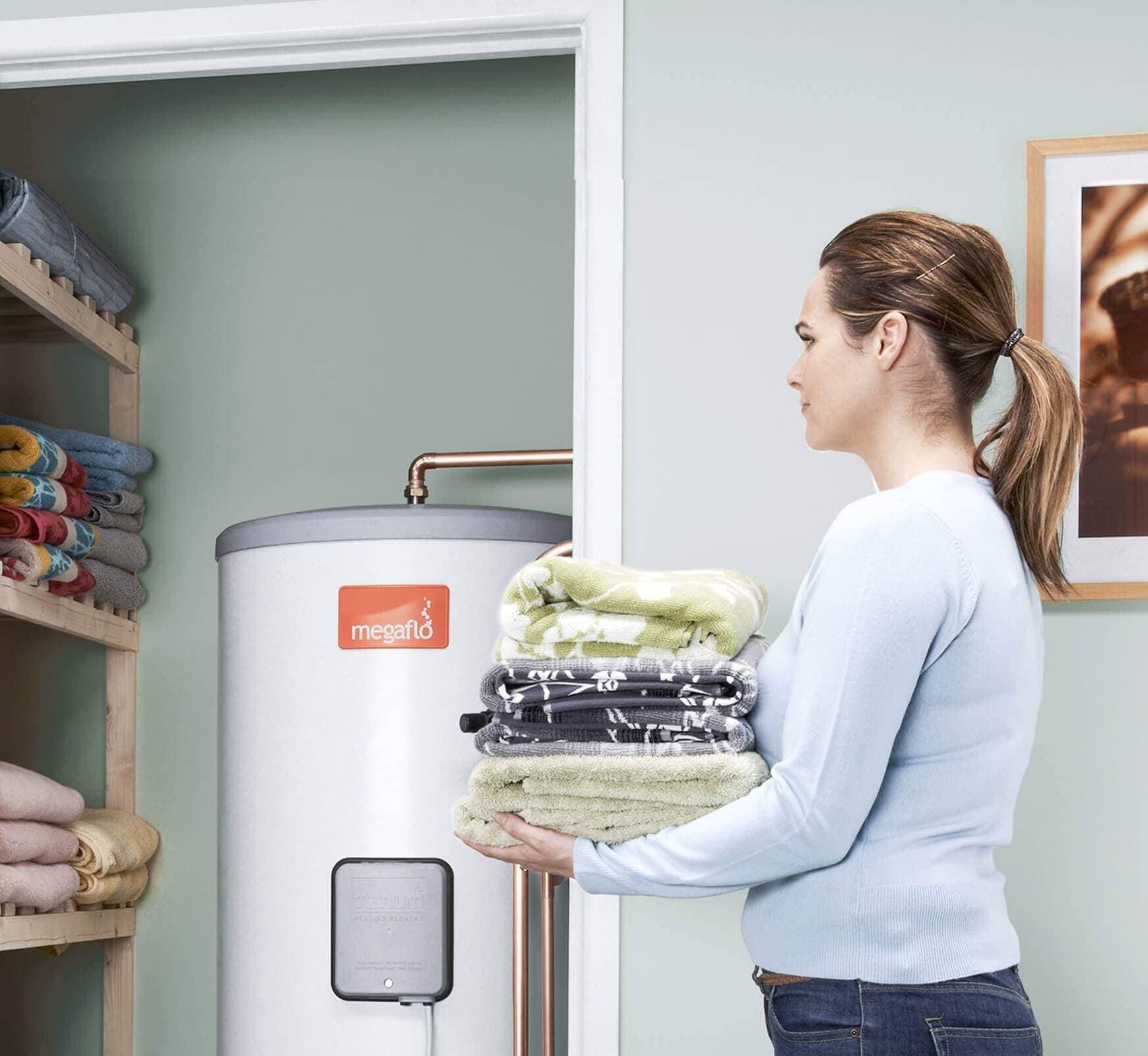
A Megaflo is a hot-water cylinder that uses mains pressure, so its pressure and temperature are controlled by safety components as well as by the heating controls. You can look for visible changes around the cylinder and note how the hot water behaves. You should not remove covers, adjust safety valves or try to test internal components yourself.
These checks help you describe a problem clearly. They do not replace inspection or servicing by a engineer qualified to work on unvented hot-water cylinders.
Look at the tundish without touching it
The tundish is a visible fitting on the pipe that carries water away from the cylinder. It leaves a visible gap in the pipe, so you can see if water is passing through. Check whether there is water or evidence of recent discharge, and note whether it happens once or continues. If you can safely observe the area, record when you noticed it and whether the cylinder had recently been heating water.
A discharge can have different causes. A pressure or temperature safety device may be releasing water, or another part of the system may need attention. The visible water is a clue, not a diagnosis. Do not block, cap or interfere with the tundish or discharge pipe. If water continues to appear, arrange an assessment by a qualified engineer rather than waiting to see if it stops.
Check for leaks and changes around the cylinder
Look at the floor and accessible pipework for fresh water, damp patches, staining or corrosion. Avoid moving the cylinder or reaching behind equipment if access is awkward. A small mark may be old, but new or spreading dampness deserves attention, particularly if it is close to electrical connections or controls.
Also notice whether the hot water behaves differently from usual. For example, you might find that it runs out sooner, takes longer to recover, or varies in temperature. These changes can have more than one cause, including a control issue or a component that needs checking. Write down what has changed and when. That information can help an engineer narrow down the fault without you needing to dismantle anything.
Make a note of the controls and any warning signs
If the system has a visible control setting or fault indication, note what it shows. Do not change settings repeatedly in an attempt to diagnose the cylinder. Keep the model details and any installation or commissioning paperwork together, so they are available if you need professional help.
A useful record is simple: what you observed, where you saw it, whether it continued, and what you noticed about the hot water. If the issue is intermittent, a short written note is more useful than relying on memory when you speak to an engineer.
Where the DIY line is
A visual check is not a test of the cylinder’s safety devices. Do not test the valves that release excess pressure, change pressure settings, remove covers or try to service the parts that manage expansion. These parts have specific functions, and incorrect adjustment or handling can create a safety risk or leave the system operating improperly.
If you see persistent discharge, a leak, damage to a pipe or an unexplained change in operation, contact a engineer qualified to work on unvented hot-water cylinders. If water is close to electrical equipment, keep clear and seek appropriate help rather than touching wet components. Do not try to stop a discharge by restricting the pipework.
The right servicing work depends on the cylinder model, its components and its condition. The manufacturer’s instructions and the engineer’s inspection guide what needs attention. A visible check can help you spot a change, but it cannot confirm that internal safety components are working correctly.
Keeping useful information to hand
Keep the cylinder’s paperwork accessible and make a note of any work carried out, including the date and the components inspected or replaced. If you contact an engineer, describe what you observed rather than guessing at the cause. Mentioning discharge at the tundish, a leak, or a change in hot-water performance gives a clearer starting point than simply saying the cylinder is not working properly.
For homeowners in Newcastle upon Tyne, Cramlington and South East Northumberland, we can discuss our Megaflo hot water cylinder installation service and what your property needs. Here at Aqua Solutions Plumbing and Heating, we can help you understand the installation options and the next step for your home.
Other Articles