Blog
How to Prepare for a Plumbing Visit: A Practical Checklist
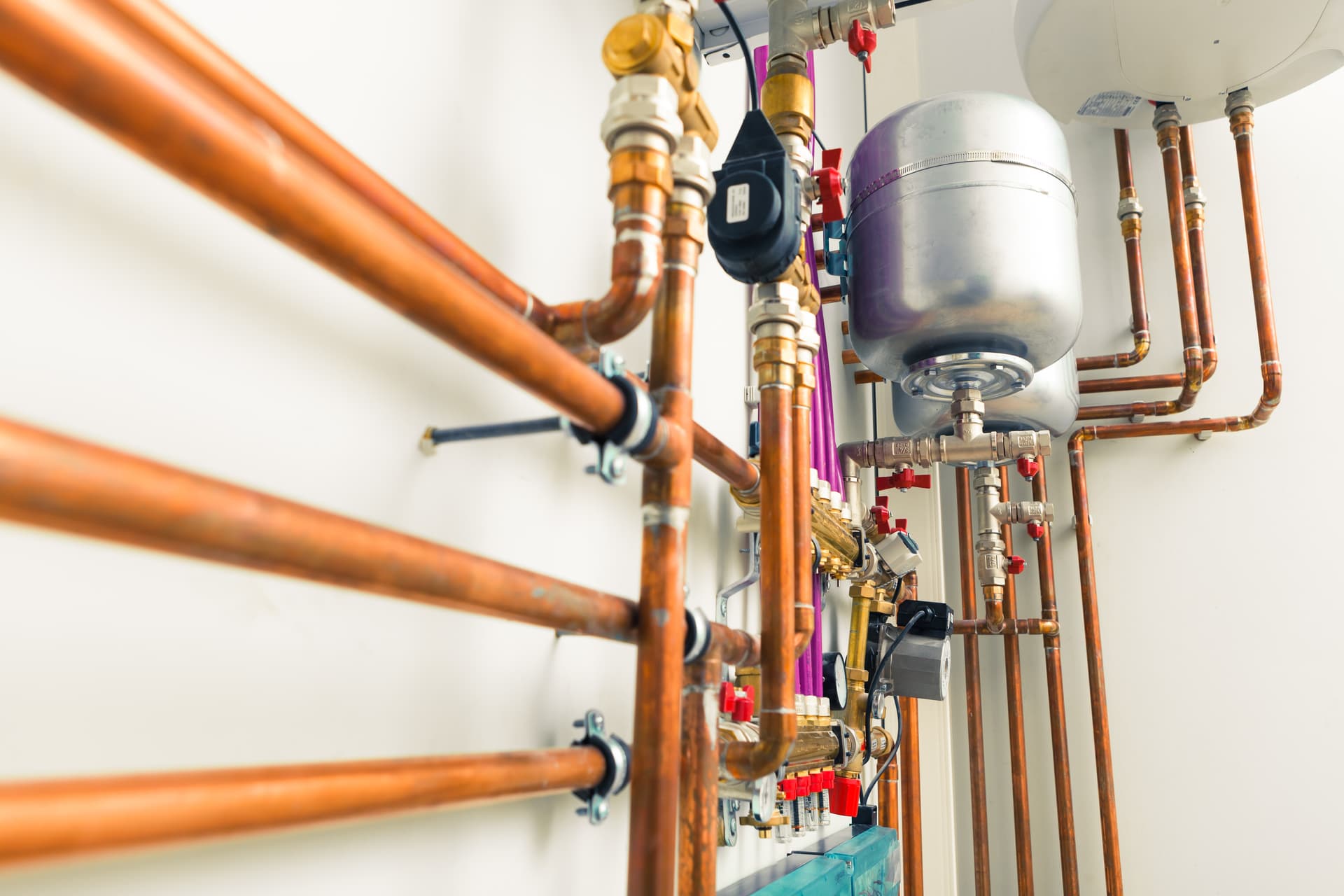
Getting ready for a plumbing visit is not about diagnosing the fault yourself. It is about making the issue easier to understand, keeping the work area accessible and avoiding checks that could make a leak or blockage worse.
Here at Aqua Solutions Plumbing and Heating, we work across Cramlington, Newcastle upon Tyne and surrounding areas. Whether you are arranging a repair or planning plumbing work, these simple checks can help you give us useful information before the visit.
Record what is happening
Before the appointment, note the exact problem and where it occurs. “The tap is leaking” is a start, but details help narrow down what needs attention. Is water coming from the spout, the handle, a pipe connection or beneath the sink? Does it happen constantly, or only when the tap is turned on?
For a blockage, note which fittings are affected. A slow kitchen sink on its own points to a different area of the plumbing from several sinks, toilets or showers draining poorly. You do not need to identify the cause. Just describe what you have observed and when it happens.
If the problem comes and goes, keep a short note of when you notice it and what was being used. For example, note whether water appears after a washing machine cycle or whether a drain backs up when another fitting is in use. This can be more useful than trying to recreate the fault before we arrive.
Photos or a brief video can help show an intermittent issue, particularly if the leak stops before the visit. Take them only from a safe, dry position. Do not move heavy appliances, remove covers built around pipes or reach into a wet cupboard to get a better view.
Make the work area accessible
Clear personal belongings and stored items from around the affected fitting, pipework or appliance. Leave enough room to inspect the area and work without moving fragile objects or risking damage to your belongings. If the plumbing is in a cupboard, remove items you can reach easily, but do not dismantle shelving or built-in panels.
For an installation, think through the route to the work area as well as the room itself. Move loose items that obstruct the path and tell us about access restrictions, such as a narrow staircase or a locked communal entrance. If you have selected a tap, shower or other fitting, have its product details available. The model information can clarify what is being installed without you needing to unpack or connect it.
If you rent, check who needs to approve the work and arrange access with the relevant person. In a flat or shared building, do not assume you can operate a valve that may affect other homes. Tell us if the main water shut-off valve (often called a stopcock) or pipes are in a shared cupboard, communal area or another resident’s property.
Know how to turn off the water, if you can
If you already know where your internal stopcock is, make sure the route to it is clear. It is commonly found near where the water supply enters a home, but its position varies. There is no need to search by removing panels or shifting heavy equipment.
Do not force a stiff or seized valve. A damaged valve can create a bigger problem, and forcing one is not a safe substitute for getting help. If water is escaping and you can reach a clearly identified stopcock without entering a wet or unsafe area, turning it off may limit further flow. If you are unsure which valve controls your supply, leave it alone and explain what is happening when you contact us.
Keep clear of electrical sockets, appliances and fuse boxes (consumer units) if water is nearby. Do not touch electrical equipment or enter standing water to reach a valve. Safety comes before trying to protect belongings or prepare the room.
Avoid DIY checks that can change the problem
You do not need to take pipework apart, remove a toilet, use chemical drain cleaners or repeatedly run water to test a suspected blockage. These actions can increase leakage, expose you to contaminated water or alter the signs that help locate the fault. A clear account of what you have seen is more useful than an attempted repair that adds another issue.
For planned work, you can think about how the plumbing needs to function when it is complete. Note which fittings matter most to your household, any access needs and any concerns about disruption. You do not need to decide technical details such as pipe routes or connection sizes yourself. Those depend on the existing arrangement and the scope of work.
A useful handover before the visit
When arranging a plumbing appointment, be ready to describe the affected fitting, what you have observed, whether the problem is ongoing and any steps you have already taken. Mention access arrangements and anything unusual about the property’s water supply. That gives us a clearer starting point and helps avoid assumptions.
For an overview of our plumbing services, see Plumbing. If you are in Cramlington, Newcastle upon Tyne or nearby and need help with a plumbing issue or installation, contact Aqua Solutions Plumbing and Heating to discuss what is happening and arrange the next step.
Other Articles